
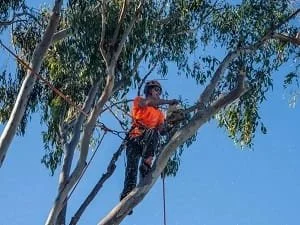
Boundary trees are an essential aspect of residential properties in regions like Birkdale and Ormiston. They can define property lines, provide privacy, and enhance local biodiversity. However, misunderstandings about these trees often lead to disputes between neighbours and even local councils. This comprehensive guide will help you navigate the complexities of boundary trees, ensuring smooth relationships with your neighbours and compliance with local regulations.
The Importance of Boundary Trees
Boundary trees play a significant role in property demarcation. They can serve as natural fences, marking where one property ends and another begins. In Birkdale and Ormiston, where many homes have mature trees, these natural features can offer shade, aesthetic beauty, and protection against wind erosion. Additionally, boundary trees can support local wildlife, creating a vibrant ecosystem.
Understanding Your Rights and Responsibilities
Legal Framework for Boundary Trees
In Australia, boundary trees are governed by certain laws that vary based on state jurisdiction. In Queensland, the Neighbourhood Disputes (Dividing Fences and Trees) Act 2011 guides the rights and responsibilities of property owners regarding boundary trees. Under this legislation, property owners are required to maintain trees that may cause damage to adjoining properties.
Determining Ownership of Boundary Trees
One challenge often faced by homeowners is determining ownership of boundary trees. If a tree straddles the property line, it is usually considered a shared responsibility. This means that both homeowners are equally responsible for its care and maintenance. It is advisable to discuss tree care with your neighbour to avoid future disputes.
Common Disputes Regarding Boundary Trees
Disputes can arise for various reasons, including tree roots encroaching onto an adjoining property, branches overhanging fences, or concerns about the health and safety of a tree. Here are some common issues:
Overhanging Branches
If branches extend into a neighbour’s yard, they may consider it a nuisance. Neighbours have the right to trim branches that encroach upon their property, provided they do not violate the tree’s health. Open communication can often resolve these issues amicably.
Tree Roots and Damage
Root systems can lead to serious issues, such as cracking pavement, damaging foundations, or disrupting drainage systems. If you suspect that your neighbour’s tree roots are causing damage, it’s important to address this directly to find a resolution.
Deceased or Diseased Trees
If a boundary tree is dead or has become diseased, it can pose significant risks. Neighbours should collaborate to address the issue promptly, potentially seeking advice from a qualified arborist to evaluate the tree’s condition and discuss options.
Managing Boundary Trees: Tips for Homeowners
Communicate Openly With Neighbours
Healthy communication is the foundation of good neighbourly relationships. If you have concerns about a boundary tree, approach your neighbour respectfully. Discuss any issues calmly and propose solutions collaboratively, which can help prevent escalation into disputes.
Consult Local Council Regulations
Familiarise yourself with local council regulations surrounding tree management and maintenance in Birkdale and Ormiston. The local council may have specific guidelines regarding height restrictions, tree removal permission, and preservation of significant trees. Understanding these regulations can help you navigate issues more effectively.
Consider Seeking Mediation
If disputes arise and direct communication does not yield results, consider seeking the assistance of a mediation service. Many local councils can provide mediation services to help resolve disputes amicably, ensuring that both parties feel heard and respected.
Benefits of Proper Tree Management
Proper management of boundary trees can enhance property value, contribute to the environment, and promote harmony between neighbours. Here are the benefits of maintaining boundary trees:
Environmental Impact
Healthy boundary trees contribute to carbon sequestration, improve air quality, and support biodiversity, which is essential in urbanised areas like Birkdale and Ormiston. Maintaining these trees not only benefits homeowners but the community as a whole.
Aesthetic Appeal
A well-maintained boundary tree can enhance a property’s curb appeal. Investing time and resources into the upkeep of these trees will generally lead to a visually pleasing environment, which can increase the overall value of your property.
Community Harmony
Fostering good relationships with neighbours through proper tree management can strengthen community ties. By addressing concerns responsibly and collaboratively, you create a more pleasant living environment.
Conclusion
Boundary trees in Birkdale and Ormiston present both benefits and challenges to homeowners. Understanding your rights and responsibilities regarding these trees is crucial to avoiding disputes with neighbours and local councils. Through open communication, knowledge of local regulations, and proper management, you can enjoy the many advantages these natural resources bring while maintaining good relationships with those around you.
