
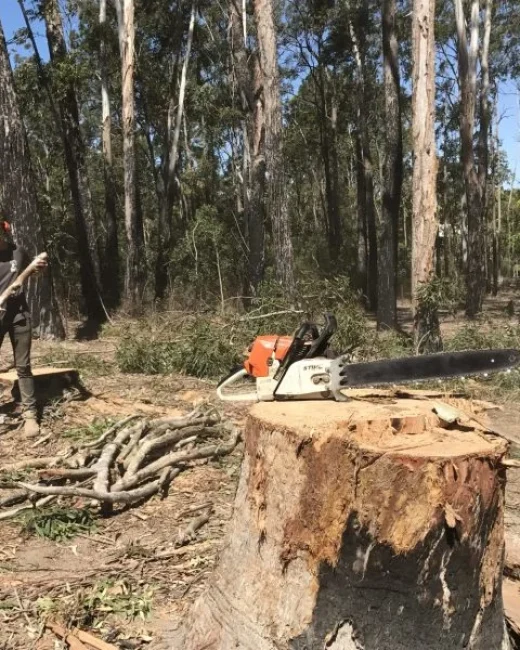
As residents of Thornlands, it’s essential to ensure that our trees are not only beautiful but also safe and healthy. Trees with split trunks and co-dominant stems can pose significant risks to property and public safety. Understanding how to manage these structural issues effectively can help prevent accidents and ensure the longevity of your trees.
Understanding Split Trunks and Co-Dominant Stems
Split trunks occur when a tree develops two or more trunks from a single base, which can sometimes lead to structural weaknesses. Co-dominant stems, on the other hand, are two or more stems that grow from the same height, making them similarly equal in strength and size. Both of these conditions can result from improper pruning, excessive weight, or natural growth patterns. In Thornlands, the varying weather conditions can exacerbate these issues, making it crucial to address them promptly.
Identifying Split Trunks and Co-Dominant Stems
The first step in addressing split trunks and co-dominant stems is recognizing the signs that your tree may need intervention. Look for the following indicators:
- Visible splitting or cracks in the trunk.
- Multiple leaders (stems) originating from the same point.
- Leaning or instability of the tree.
- Presence of decay or fungi around the trunk base.
- Branches that are weakly attached or showing signs of stress.
Assessing the Severity of the Problem
Once you have identified the issues, it’s essential to assess how severe the split or co-dominant stem situation is. In Thornlands, seek out an ISA Certified Arborist who can provide a professional evaluation. They can identify the extent of the damage and recommend the best course of action, whether it’s monitoring, pruning, or removal.
The Role of Professional Arborists
Hiring a professional arborist is often the safest and most effective way to address tree health concerns. Arborists are trained to manage complex situations such as split trunks and co-dominant stems. They will analyze your tree and recommend whether cabling, pruning, or even complete tree removal is necessary in cases of severe structural compromise.
Preventative Measures for Future Issues
After addressing existing issues, it’s vital to take preventive measures to avoid future complications. Some practical ways to ensure the continued health of your trees in Thornlands include:
- Regular Inspections: Schedule annual tree inspections to monitor health and structure.
- Proper Pruning: Implement pruning practices that encourage a single central leader, particularly for young trees.
- Cabling and Bracing: In some cases, installing cables or braces can provide additional support to co-dominant stems.
- Maintain Healthy Soil: Ensure that the soil around the tree is well-draining and nutrient-rich.
- Watering and Mulching: Proper watering and mulching techniques will promote healthy growth and root development.
Community Resources and Support
Thornlands has a rich community of tree care professionals and resources that can help you navigate tree management challenges. Local councils often provide guidelines on tree maintenance and can connect you with reputable arborists. Community workshops on tree care can also offer valuable insights into maintaining healthy trees in your backyard.
Conclusion
Trees are a vital part of our environment in Thornlands, contributing not only to the aesthetic beauty of our landscapes but also to the overall ecosystem. Handling split trunks and co-dominant stems with care ensures that your trees remain healthy and safe for many years to come. By keeping a close eye on your trees, engaging with professionals when needed, and implementing preventive measures, you can contribute positively to the tree canopy in our community.
