
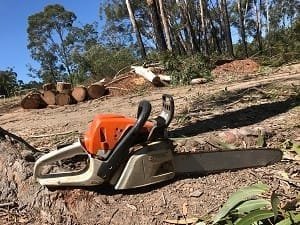
Redland Bay, located on the southeastern coast of Queensland, is known for its beautiful landscapes and proximity to diverse aquatic ecosystems. The area houses various waterways, including rivers, creeks, and wetlands, which contribute significantly to the local environment and community. Engaging in tree work near these waterways requires careful consideration due to the ecological sensitivity of these areas. In this guide, we will highlight essential factors to consider before proceeding with tree clearing projects by the waterways in Redland Bay.
Understanding the Local Ecosystem
Before initiating any tree work near waterways in Redland Bay, it’s critical to understand the local ecosystem. The waterways in this region provide habitats for numerous plant and animal species, some of which may be protected by law. Clearing trees indiscriminately can lead to habitat destruction, loss of biodiversity, and adverse effects on water quality.
When assessing the area for tree work, take the time to observe:
- Indigenous flora and fauna: Identifying native species helps inform which trees or plants should be preserved.
- Water quality: Tree roots can help filter pollutants and sediment, maintaining the health of local waterways.
- Soil stability: Trees play a vital role in preventing soil erosion near banks, ensuring stability in the ecosystem.
Permitting and Regulations
In many cases, tree work near waterways is regulated by local laws and environmental protection policies. The Redland City Council stipulates clear guidelines on clearing vegetation, especially in areas close to significant water bodies. It is essential to research and understand these regulations to avoid potential fines and legal issues.
Here are a few key points to consider regarding permits and regulations:
- Check with the Redland City Council on local vegetation management policies.
- Determine whether a permit is required for removing trees near waterways.
- Review any applicable environmental protection laws at both state and federal levels.
Timing and Seasonal Considerations
Timing is an important factor to consider when planning tree work near waterways. Seasonal fluctuations can affect wildlife behavior and plant growth, which may impact your clearing activities. The best time to perform tree work often falls outside of nesting seasons or periods of heightened wildlife activity.
Consider the following seasonal factors:
- Bird nesting seasons: Avoid tree clearing during peak nesting periods for local bird species.
- Weather conditions: Wet weather can create unstable soil and increase the risk of erosion.
- Plant growth cycles: Understanding when local flora is dormant can help minimize damage to ecosystems.
Hiring Professional Tree Services
When undertaking tree work near waterways, it’s advisable to consult with or hire professional tree services that specialize in environmentally responsible practices. Professionals can assess the situation accurately, ensuring that necessary precautions are taken to protect the surrounding ecosystem during tree removal.
When selecting a professional tree service in Redland Bay, consider the following:
- Experience with environmental regulations and tree work near waterways.
- Reputation for ecological responsibility and sustainable practices.
- Insurance and certifications to ensure compliance with local laws.
Preventing Soil Erosion and Water Pollution
One of the main concerns when performing tree work near waterways is the risk of soil erosion and water pollution. Vegetation near water bodies acts as a buffer, filtering runoff and stabilizing the soil. Removing trees can increase the likelihood of eroded soil entering waterways, negatively impacting water quality and wildlife.
To mitigate these risks, implement the following strategies:
- Retain a buffer zone: Maintain a strip of vegetation along the waterway to act as a natural filter.
- Limit the extent of clearing: Only remove trees that are necessary for your project, preserving as much natural habitat as possible.
- Use silt fencing: Installing silt barriers can help prevent sediments from washing into the water.
Preserving Biodiversity
The preservation of biodiversity is essential for maintaining the health of ecosystems. When engaging in tree work near waterways in Redland Bay, take steps to minimize the impact on local wildlife and plant species. Assess which trees can be cleared and which should be retained for habitat and biodiversity enhancement.
Strategies include:
- Encouraging native species growth: Focus on preserving and planting indigenous plants that support local wildlife.
- Avoiding invasive species: Remove non-native trees that may threaten local ecosystems.
- Working with ecologists: Consult with environmental specialists to ensure best practices are followed during tree work.
Conclusion
Tree work near waterways in Redland Bay requires careful planning and consideration to protect the local environment and adhere to regulations. By understanding the ecosystem, securing necessary permits, and hiring professionals, you can ensure that your tree clearing project is conducted responsibly. Taking steps to preserve biodiversity, prevent soil erosion, and reduce water pollution will contribute to the health of both the environment and the community.
Before starting any project, make sure to do your due diligence and consult professionals to ensure the best outcome for the environment and surrounding community in beautiful Redland Bay.
