
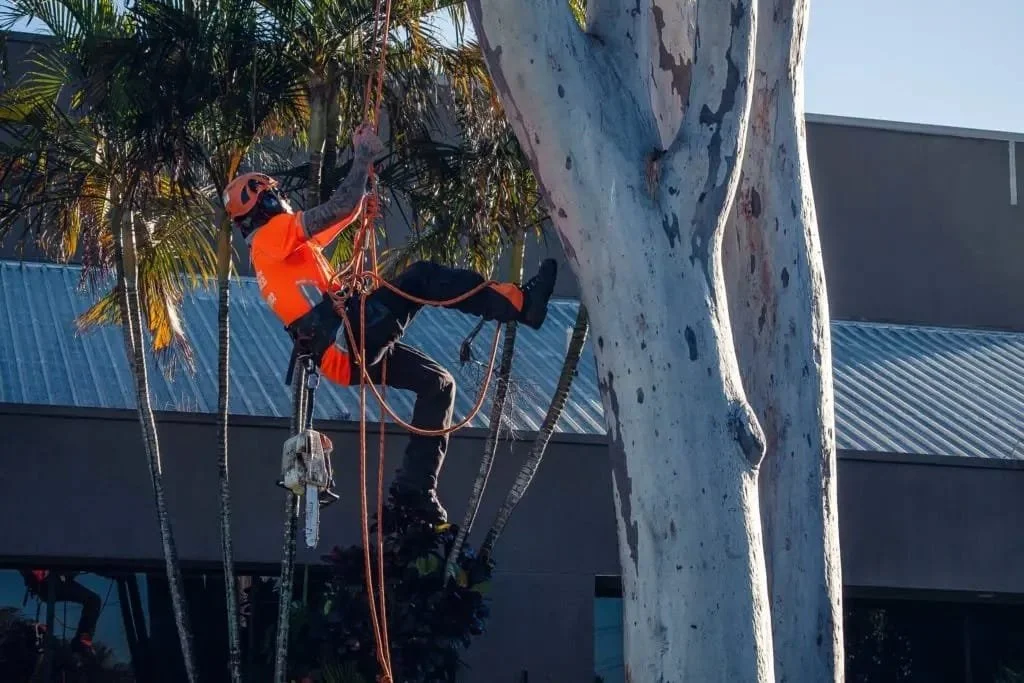
The lush landscapes of Capalaba are often adorned with majestic gum trees, providing beauty and shade to the area. However, after prolonged periods of rain, these trees can pose serious safety risks. Knowing how to assess the condition of your gum tree is crucial for ensuring the safety of your property and loved ones. This comprehensive guide will help you identify signs of an unsafe gum tree after weeks of rain.
Understanding the Effects of Rain on Gum Trees
Gum trees, especially those native to Australia, are typically resilient but not invulnerable. Extended rainfall can lead to a range of problems such as root rot, weakened structures, and increased susceptibility to pests. In Capalaba, where soil can become saturated, it is crucial to recognize the warning signs early on.
Key Signs of an Unsafe Gum Tree
Identifying the potential hazards associated with a gum tree involves a close look at several key indicators. Here are the primary signs to monitor closely:
1. Leaning or Tilting
If your gum tree is noticeably leaning or tilting at an unnatural angle, especially after excessive rainfall, it may indicate that the root system is compromised. This could be due to saturated soil, which weakens the grip of the roots.
2. Root Exposure
Heavy rains can cause soil erosion around the base of your gum tree. If you notice roots that are exposed, this could indicate that the tree is no longer stable. It’s essential to act immediately, as exposed roots can quickly lead to further weakening.
3. Cracks and Splits
Inspect the trunk and branches of your gum tree for any visible cracks or splits. These may have developed due to rapid changes in moisture levels and could be a sign that the tree is struggling to maintain structural integrity.
4. Fungus or Mold Growth
Fungi and mold thrive in wet conditions. If you observe any unusual growths on your gum tree, such as mushrooms at the base or along the trunk, it’s a clear indication that the tree may be compromised. This not only affects its health but can weaken the tree’s structure over time.
5. Bark Damage
Look closely for any peeling, flaking, or damaged bark. Excessive moisture can cause the bark to split and expose the inner wood, creating an entry point for pests and diseases.
6. Leaf Condition
Healthy leaves are typically vibrant and lush. If you notice yellowing, drooping, or premature leaf drop, this may signify that your gum tree is under stress from waterlogging and is struggling to thrive.
7. Overall Tree Health
Conduct a general health assessment of the tree. A decline in vigor, such as stunted growth or wilting branches, may indicate underlying issues exacerbated by excessive rain.
Steps to Take If Your Gum Tree Appears Unsafe
After assessing your gum tree for the signs mentioned above, it’s crucial to take appropriate action. Here are steps you can take:
1. Consult an Arborist
If you suspect that your gum tree may be unsafe, the best course of action is to seek the expertise of a certified arborist. They can conduct a thorough evaluation and recommend the best solutions, whether it involves treatments, trimming, or removal.
2. Monitor and Manage
Keep an eye on the tree’s condition over the following weeks. Sometimes, trees show resilience and recover once the weather stabilizes. Providing extra care, such as proper drainage around the base, may help.
3. Tree Removal
If your tree is deemed unsafe, especially if it poses a risk to your home or nearby structures, consider removal. This process should be conducted by professionals to ensure safety and compliance with local regulations.
4. Prevention Strategies
After identifying problematic trees, consider proactive measures. Planting native species that require less water or improving drainage can prevent future issues. Regular tree inspections, especially after heavy rainfall, can also help maintain tree health.
Conclusion
Understanding the potential risks associated with your gum tree after periods of extended rain is vital for safety. By keeping an eye on key indicators of tree health, you can take the necessary steps to protect your property and ensure your gum tree remains a beautiful part of Capalaba’s landscape. Don’t hesitate to call in professionals if you have concerns; ultimately, a safe environment is a priority.
