
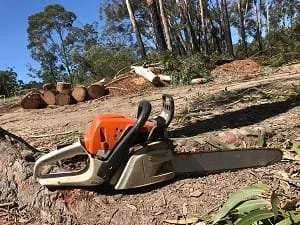
Capalaba, located in the Redland City region of Queensland, Australia, boasts a diverse landscape that features lush greenery and a variety of native trees. However, homeowners and property managers in the area often face a common issue: stump regrowth. This phenomenon can be frustrating, leading to unsightly growth that detracts from the aesthetics of your property. In this comprehensive guide, we will explore why stump regrowth occurs in Capalaba and how to effectively manage and prevent it.
Understanding Stump Regrowth
After a tree is cut down, the stump remains embedded in the ground. Trees have a natural ability to regenerate, which occasionally leads to the development of new shoots from the surviving root system. This is known as stump regrowth, and it can be attributed to several factors.
Reasons for Stump Regrowth
Stump regrowth occurs for several reasons, including:
- Active Root System: Even after a tree is cut down, the root system may remain intact and continue to receive nutrients and water from the soil. This vitality can trigger new growth.
- Species Characteristics: Some tree species are more prone to regrowth than others due to their natural growth habits. Fast-growing species like willows and poplars are particularly notorious for their ability to send up new shoots.
- Environmental Conditions: Favorable weather conditions, such as adequate moisture and nutrient-rich soil, can enhance the chances of stump regrowth. The mild climate of Capalaba can contribute to this issue.
Impacts of Stump Regrowth
Stump regrowth can have several implications for landowners in Capalaba. It can:
- Reduce Property Value: Land with unsightly regrowth can be less appealing to potential buyers, affecting property values.
- Compromise Landscaping: New shoots can interfere with landscaping plans, making it challenging to create a cohesive design.
- Attract Pests: Decaying stumps and new growth can attract pests like termites, which may further damage nearby structures.
Stopping Stump Regrowth Effectively
Preventing stump regrowth in Capalaba requires a proactive approach following tree removal. Here are several effective methods:
Complete Stump Removal
The most effective way to prevent regrowth is to ensure the stump is entirely removed from the ground. This may involve:
- Stump Grinding: Professional stump grinding services can effectively reduce the stump and roots below the surface of the soil. After grinding, fill the hole with soil to promote even ground levels.
- Manual Removal: For smaller stumps, manual removal may be feasible. This involves digging around the stump, severing the roots, and pulling it out entirely.
Chemical Treatments
If complete removal is not possible or practical, chemical treatments can be an option. Herbicides specifically designed for tree stumps can be applied to prevent regrowth. It’s crucial to follow manufacturer instructions and local regulations to minimize environmental impact.
Regular Maintenance
Even after taking preventive measures, regular maintenance is crucial. Periodically check the stump area for any signs of growth. If you notice new shoots, they should be removed promptly by cutting them back to the base. This can help reduce the energy of the root system and inhibit further growth.
When to Seek Professional Help
If stump regrowth continues to be a persistent problem, it may be wise to consult with a local arborist or landscaping expert in Capalaba. These professionals can offer tailored solutions based on your specific situation and the types of trees involved.
Conclusion
Stump regrowth can be a nuisance for property owners in Capalaba, but understanding why it happens and how to manage it is crucial for maintaining your landscape. Whether through complete stump removal, chemical treatments, or regular monitoring, there are effective strategies to help you control this issue. By taking proactive measures, you can keep your property looking its best and free from unwanted regrowth.
