
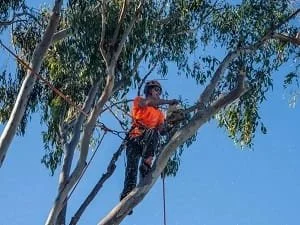
Capalaba, a suburb within the Redland City in Queensland, is known for its lush greenery and beautiful landscapes. However, with the abundance of trees comes the need for maintenance and sometimes removal. If you find yourself with a tree bordering your property and a fence line, understanding the regulations and responsibilities related to tree removal is crucial. This comprehensive guide outlines who pays for tree removal and the legalities involved in Capalaba.
Understanding the Regulations in Capalaba
In Queensland, tree removal laws are designed to protect both property owners and the local environment. Before proceeding with the removal of a tree near a fence line, it’s essential to familiarize yourself with local council regulations. In Capalaba, the Redland City Council has specific guidelines governing tree removal. Depending on the type of tree and its location, you may need to apply for a permit.
Tree Types and Permits
Different types of trees are protected under various regulations. For example, significant trees, such as those that are native or have historical significance, may require a permit before any removal can take place. It is crucial to get in touch with the Redland City Council to determine if your tree falls under this category. Additionally, if the tree poses a risk to your property or is dead or diseased, removal may be exempt from permit requirements.
Who is Responsible for Payment?
When considering the financial aspects of tree removal, the question often arises: who pays for the removal? The answer can vary based on several factors, including ownership of the tree and the circumstances surrounding its removal.
Tree Ownership
Generally, the property owner where the tree is located is responsible for any associated costs of removing or maintaining it. Trees planted on or overhanging a property line may present a shared responsibility. If the tree is clearly on your property and poses a hazard, you typically carry the financial burden for its removal. However, if the tree is on the boundary line, costs could potentially be shared between neighbors.
Negotiating with Neighbors
If you are considering removing a tree that is close to a fence line and affects your neighbor’s property, open communication is critical. Discussing the situation with your neighbor can help come to a mutual agreement regarding the tree’s removal. If the tree is healthy and located on your neighbor’s property, you may have a different set of considerations.
Reaching an Agreement
In some cases, neighbors may agree to split the cost of tree removal, especially if both properties benefit from the action. Documenting any agreements in writing can prevent disputes down the road. Remember, clear communication can often lead to amicable solutions.
Professional Help and Costs
When it comes to the actual removal of a tree, hiring a professional arborist or tree removal service is advisable. These professionals are equipped to deal with the complexities of tree removal, including safety measures and compliance with local regulations. The average cost of hiring a tree removal service varies based on factors such as tree size, location, and the complexity of the job.
Factors Influencing Cost
Several factors will influence the final cost of tree removal in Capalaba:
- Tree Height and Diameter: Larger trees are more expensive to remove due to the increased risk and additional equipment required.
- Accessibility: If the tree is located in a hard-to-reach area, it may require specialized equipment, impacting the cost.
- Stump Removal: If you wish to remove the tree stump as well, this service is usually offered at an additional charge.
- Permits: Any required permits from the council may also incur costs.
What’s Allowed After Removal?
Once a tree is removed, there are often follow-up steps required or recommended. Depending on the tree’s size and the extent of the removal, you may need to:
Replanting Considerations
In some instances, local councils encourage or require homeowners to replant native trees or vegetation. This helps maintain the ecological balance and can also improve the aesthetics of your property. If you decide to replant, consider species that are native to the Capalaba area to support local wildlife and plant health.
Landscaping After Removal
Post-removal landscaping can help fill empty spaces and maintain your property’s charm. Consulting with a landscaping professional can provide valuable insight on the best plants and layout for your yard after tree removal.
Conclusion
Removing a tree near a fence line in Capalaba involves understanding your responsibilities and the local regulations. Whether you bear the cost or share it with your neighbor largely depends on tree ownership and the specific circumstances surrounding the tree’s removal. Always consider consulting with professionals and your local council to ensure compliance and make informed decisions. Clear communication with your neighbors can help foster good relationships while navigating the complexities of tree maintenance and removal.
