
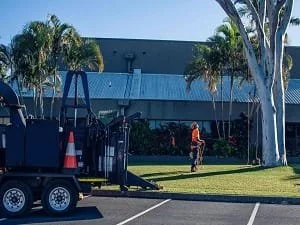
Understanding the Issue with Trees and Pavers in Capalaba
In Capalaba, the lush greenery that defines the landscape often includes trees that may inadvertently cause damage to outdoor structures such as pavers and pathways. Tree roots can grow aggressively beneath the surface, pushing up pavers or cracking pathways. This not only affects the aesthetic appeal of your property but also poses safety risks. In this guide, we’ll explore effective solutions to address this issue while preserving your landscape’s natural beauty.
Identifying the Problem
Before taking any action, it’s essential to accurately diagnose the problem. Look for signs that indicate tree roots are damaging your pavers:
- Raised Pavers: If you notice uneven surfaces or pavers that have lifted, tree roots may be the culprit.
- Cracked Pathways: Pathways may show signs of cracking or shifting due to the pressure from tree roots below.
- Tree Species: Certain species, such as figs and willows, have more invasive root systems than others.
Assessing the Severity of the Damage
Once you’ve identified the issue, assess its severity. Minor lifting can sometimes be remedied with simple adjustments, while extensive damage may require more serious interventions. Take note of:
- The age and size of the tree involved.
- The extent of damage to the paved area.
- Location concerning neighboring properties and structures.
Potential Solutions
There are several strategies you can adopt to rectify tree root damage to pavers and paths.
1. Rerouting or Restructuring Paving
If the lifting is minor, consider simply resetting the pavers. Remove the affected ones, trim back the roots if possible, and reinstall them. This method is often the quickest way to restore accessibility and aesthetics.
2. Installing Root Barriers
For ongoing solutions, installing root barriers can prevent future damage. These barriers are typically made from durable materials like plastic or metal, placed vertically in the ground to redirect roots away from paved surfaces.
3. Replacing Pavers with Flexible Materials
Should you find that roots continue to infiltrate your paved area, consider using more flexible materials that can withstand some movement. Permeable paving stones are a good option, allowing for natural root growth without compromising the surface.
4. Pruning the Tree
If the tree has extensive overgrowth, consult a professional arborist to assess the possibility of pruning. This can help manage root growth while retaining the tree’s overall health.
5. Tree Removal as a Last Resort
If the tree is causing significant harm and all other solutions are exhausted, you may need to consider tree removal. This should always be a last resort, as it can impact local biodiversity and alter your landscape drastically.
Seeking Professional Help
If you’re not comfortable assessing the damages or tackling the repairs yourself, it may be beneficial to enlist professional services. Experts in landscape management and tree care in Capalaba can provide valuable guidance and practical solutions tailored to your specific situation. They can assess the health of the tree, recommend the best course of action, and mitigate risks associated with root damage.
Maintaining Your Paved Areas
Once the immediate issues have been dealt with, it’s important to maintain both your trees and any paved surfaces. Regularly inspect your property for signs of root distress or surface damage, provide adequate mulching around trees to support healthy growth, and make sure your paving materials are resilient.
Conclusion
Dealing with tree roots that push up pavers or crack paths is a challenging but manageable task for homeowners in Capalaba. By understanding the nature of the problem, exploring various solutions, and potentially seeking professional help, you can effectively address any resulting damage while preserving the beauty of your landscape. Taking proactive measures to manage tree health and paving material can prevent future issues, ensuring your outdoor space remains both safe and beautiful.
