
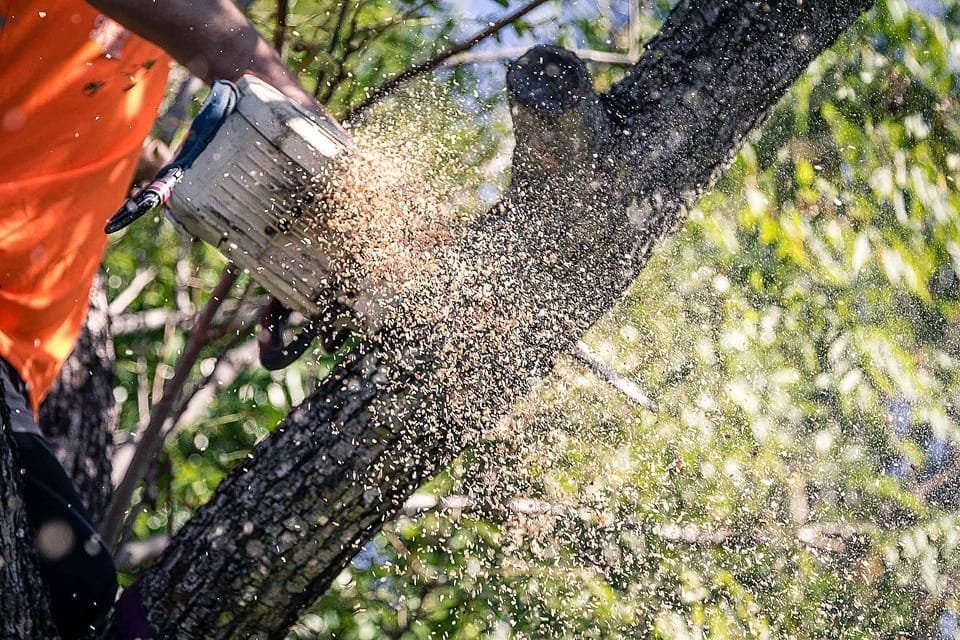
Redland Bay, located in Queensland, boasts stunning landscapes that blend coastal beauty with rich biodiversity. However, land clearing is sometimes necessary for housing, agriculture, or other developments. After such activities, managing regrowth becomes crucial for maintaining ecological balance and promoting healthy land use. This guide outlines effective strategies for determining what to remove and what to keep post-clearing.
Understanding Regrowth in Redland Bay
Regrowth refers to the resurgence of plant life after significant disturbance, such as land clearing. In Redland Bay, the natural vegetation plays a vital role in supporting local wildlife, maintaining soil health, and managing water resources. Understanding the types of plants that regrow in your area is the first step in effective management.
Common Native Species in Redland Bay
Before taking steps to manage regrowth, it is essential to identify the local flora. Native species play a critical role in preserving biodiversity, so protecting them is of utmost importance. Some of the native plants commonly found in Redland Bay include:
- Melaleuca quinquenervia (Paperbark tree)
- Allocasuarina torulosa (Black She-oak)
- Eucalyptus tereticornis (Forest Red Gum)
- Grevillea spp. (Grevilleas)
These plants are adapted to the local climate and soil conditions, making them crucial for sustaining the area’s ecological health.
What to Keep: Prioritizing Native Flora
When managing regrowth, your focus should primarily be on preserving native species. These plants provide food and habitat for wildlife and contribute to the overall ecosystem’s resilience. Here are a few guidelines to follow:
Look for Indicator Species
Indicator species are plants that signal the health of an ecosystem. Keeping these species helps ensure that the area remains biodiverse. For example, if you spot native flowering plants, consider preserving them, as they attract pollinators like bees and butterflies.
Assess Regrowth Density
Not all regrowth is harmful; some native plants can help restore soil and protect against erosion. However, dense patches of regrowth may indicate the need for management. Assess the density of these regrowth areas and prioritize keeping less invasive, native plants while managing those that threaten to take over.
Consult with Local Experts
Engaging with local environmental groups or agricultural departments can offer guidance on native species to retain. Additionally, they may provide insights into the specific ecological characteristics of Redland Bay, which can help in making informed decisions.
What to Remove: Identifying Invasive Species
While native species should be prioritized, it is equally important to identify and remove invasive species. Invasive plants can outcompete native flora, disrupting the ecological balance and leading to a decline in biodiversity.
Common Invasive Species in the Region
A few invasive species to watch out for in Redland Bay include:
- Privet (Ligustrum spp.)
- Jasmine (Jasminum spp.)
- Common Camphor Laurel (Cinnamomum camphora)
- Weeds like lantana (Lantana camara)
These non-native plants can grow aggressively, often choking out the less competitive native species. It is crucial to take action against them to ensure that the local ecosystems remain vibrant and diverse.
Effective Removal Techniques
When removing invasive plants, it’s vital to use methods that minimize harm to the surrounding environment. Here are several eco-friendly techniques:
- Mechanical Removal: Pulling or cutting invasive plants can be effective. Ensure that you remove the entire root system to prevent regrowth.
- Chemical Herbicides: If mechanical removal isn’t feasible, consider using environmentally-friendly herbicides. Always follow guidelines to minimize harm to surrounding plants and wildlife.
- Mulching: After removing invasive plants, applying mulch can help suppress their regrowth by blocking sunlight.
Monitoring Regrowth Over Time
The journey doesn’t end with the initial clearance and management. Ongoing monitoring of regrowth is essential to ensure that biodiversity thrives in Redland Bay. Set aside time to assess the area periodically. Keep an eye on any signs of invasive species making a comeback and take action promptly.
Final Thoughts
Managing regrowth after clearing in Redland Bay is a collaborative effort that requires careful planning and consideration. By prioritizing native plants and actively managing invasive species, you can help preserve the beautiful ecosystems that make Redland Bay unique. With the right approach, both the land and its diverse inhabitants can flourish together.
Engaging with local conservation groups can further enhance your understanding and efficacy in managing your land. Together, we can ensure the protection of Redland Bay’s rich natural legacy for future generations.
