
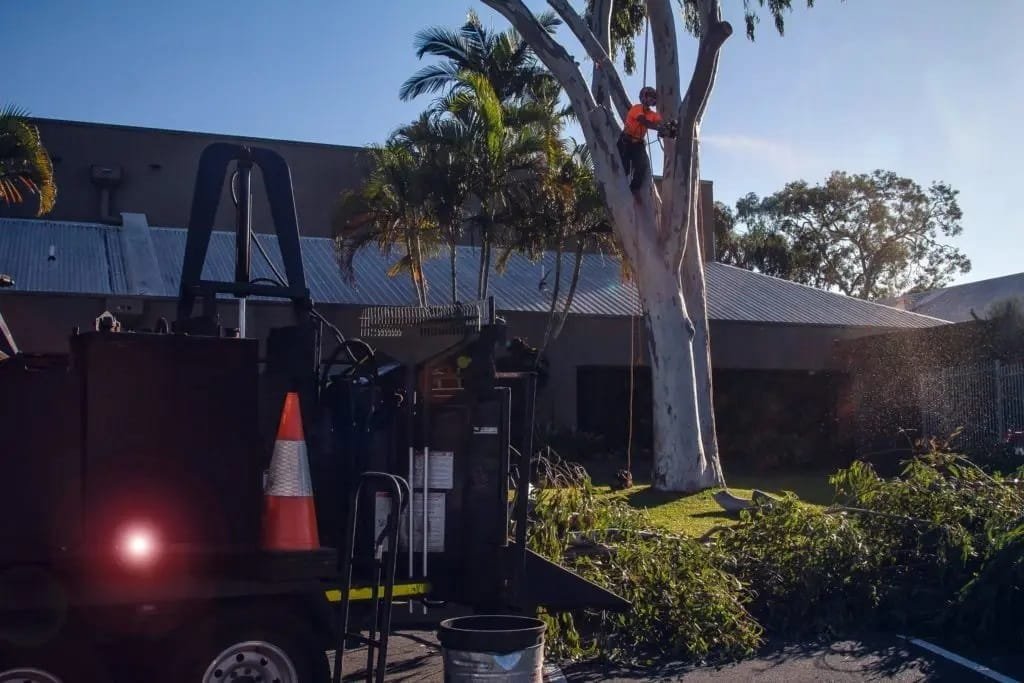
Living in Redland Bay, Queensland offers residents the beauty of lush landscapes and a coastal lifestyle. However, the area is also prone to strong winds, which can pose a significant risk to both properties and the local flora. Understanding which tree species are more susceptible to wind failure is crucial for homeowners seeking to protect their properties. This guide aims to identify the trees that are most likely to fail in high winds and provide recommendations for managing them.
Factors Contributing to Tree Failure in High Winds
Several factors play a role in how trees respond to strong winds. These include the tree’s species, age, overall health, and root structure. Additionally, environmental conditions such as soil quality and moisture levels can affect a tree’s stability. Trees that are not suited to the local climate or are improperly maintained are more likely to suffer damage during storm events.
Common Trees at Risk in Redland Bay
In Redland Bay, there are specific tree species that have shown a tendency to fail in high winds. This knowledge can help residents make informed decisions about their landscaping and property management.
Ficuses
Ficuses, including the popular Weeping Fig (Ficus benjamina), are commonly planted along streets and in gardens. While they offer shade and aesthetic appeal, these trees are often prone to limb breakage and uprooting in strong winds due to their shallow root systems. Regular pruning and maintaining their health can mitigate some risks.
Eucalyptus Trees
While native to Australia, certain Eucalyptus species, particularly faster-growing ones like the Spotted Gum (Corymbia maculata), can become hazardous during storms. Tall and slender, they can easily give in to gusts, especially when soil saturation occurs after heavy rainfall. It’s important to assess the placement of these trees and monitor their health to ensure stability.
Palms
Palms, such as the Cocos Palm (Syagrus romanzoffiana) and Alexander Palm (Archontophoenix alexandrae), are often seen in coastal areas. Although they are generally resilient, their fronds can suffer breakage in high winds, potentially becoming projectiles that can damage nearby structures. Proper maintenance can help reduce the wind resistance of fronds and improve their overall stability.
Identifying Unsafe Trees on Your Property
As a homeowner in Redland Bay, it’s essential to be proactive in identifying trees that may pose a risk during high winds. Here are some signs to look for:
Root Issues
Exposed roots, a heaving root base, or roots that are cracking the surrounding pavement can indicate a compromised root system. It’s crucial to address these issues before a storm strikes.
Trunk Conditions
Look for signs of decay, cracks, or hollow spots in the trunk. These conditions can weaken a tree’s structure, making it more susceptible to falling over during wind events.
Canopy Health
Unhealthy canopies, characterized by dead or dying branches, can be more likely to break off in high winds. Regular tree assessments can help you manage canopy health effectively.
Preventive Measures and Maintenance
Taking preventive measures can significantly reduce the risk of tree failure during high winds. Some strategies to consider include:
Regular Pruning
Regularly scheduled pruning reduces wind resistance and improves the overall health of the tree. By removing dead or weak branches, you can help your trees withstand strong winds more effectively.
Soil Management
Healthy soil contributes to strong root systems. Ensure that your trees are planted in well-draining soil and are receiving adequate nutrients. This will help them develop a robust foundation.
Professional Assessments
Consider hiring a certified arborist to conduct a thorough assessment of your trees. They can identify risk factors and recommend the best course of action for maintaining the health and stability of your trees.
Conclusion
Protecting your Redland Bay property from the potential damage caused by high winds is crucial for both safety and aesthetics. By understanding which trees are more likely to fail and implementing proper maintenance practices, you can create a safer environment for your home and community. Regular assessments, preventative measures, and professional guidance will go a long way in safeguarding your property during storm events.
